7 Oct 2026
Tracing Milestones in Athletic Wagering and Casino Platform Mergers
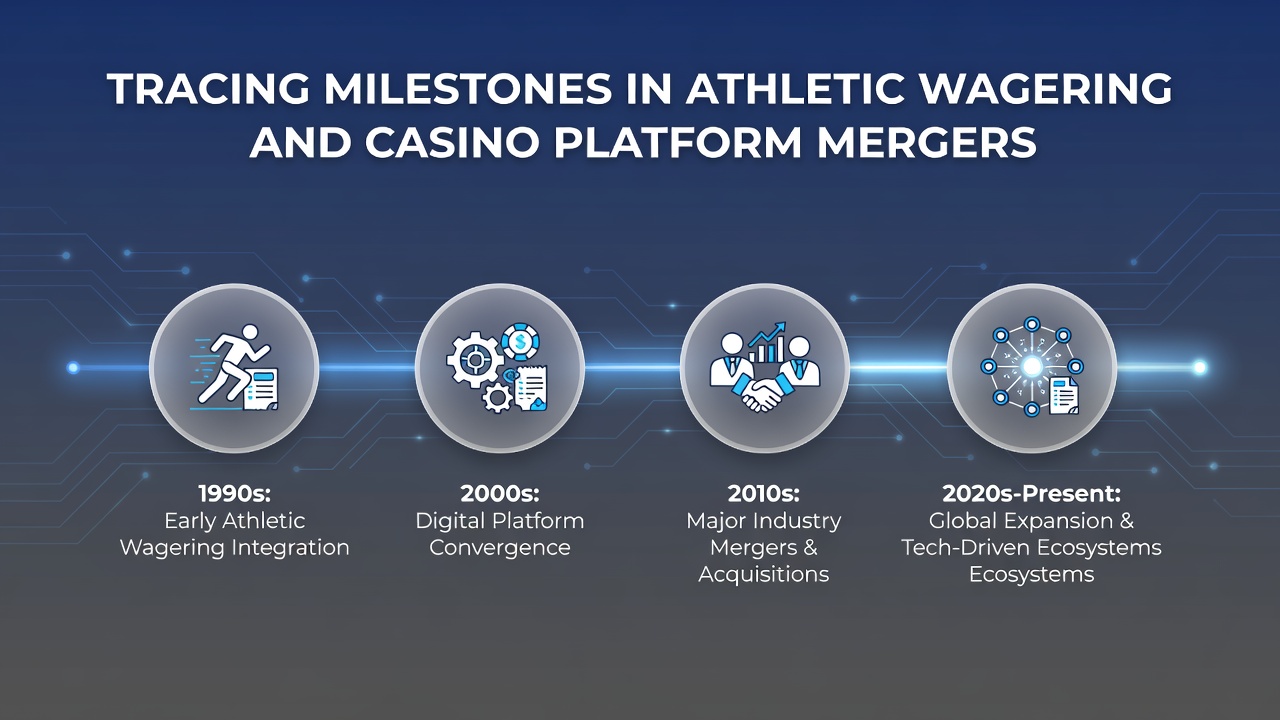
Platform mergers between athletic wagering operators and casino providers have shaped the modern gaming sector through a series of strategic consolidations that began decades ago and continue to evolve. These combinations often integrated betting markets with slot machines, table games, and digital interfaces, creating unified ecosystems that serve both sports enthusiasts and traditional casino patrons.
Early Foundations in the 1990s and 2000s
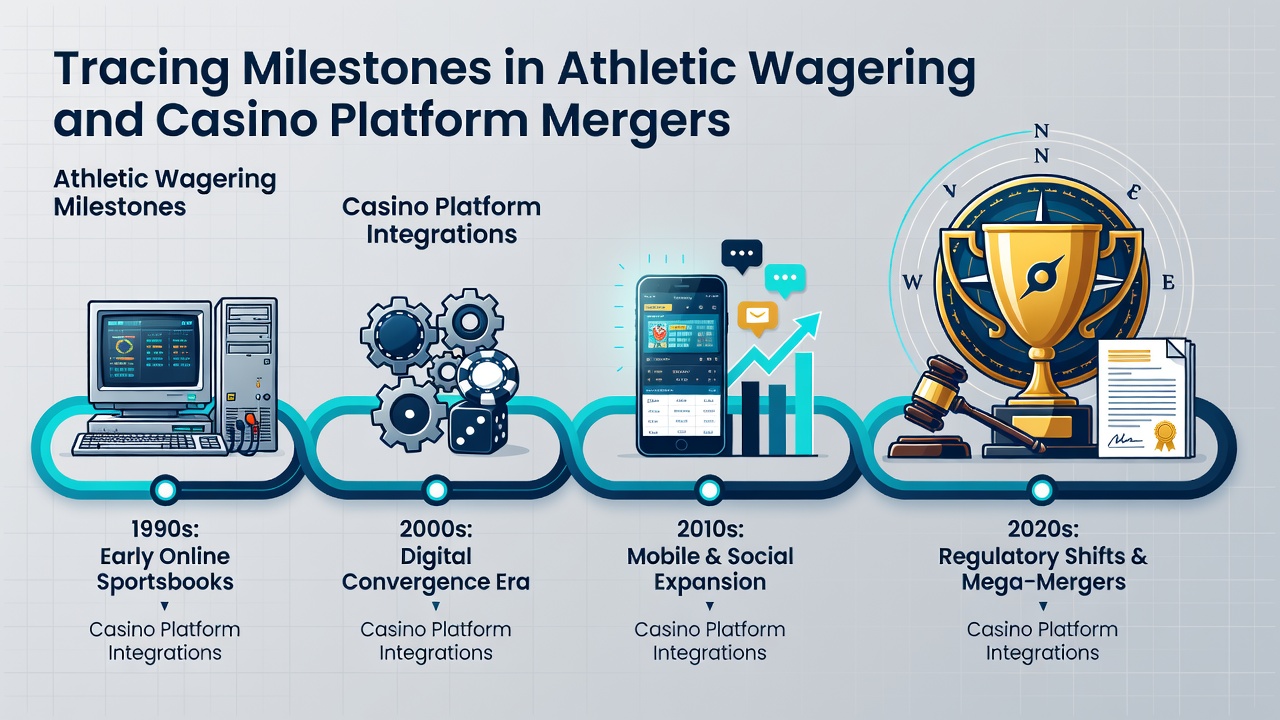
Initial steps toward integration occurred when land-based casino groups started acquiring sports book operations in regulated markets like Nevada, where data from the Nevada Gaming Control Board shows steady growth in combined revenue streams after the first notable deals. Companies expanded portfolios by linking horse racing wagers with poker rooms and blackjack tables, and observers note that these early moves laid groundwork for later digital expansions as online platforms emerged around the turn of the millennium.
Digital Shift and Major Consolidations After 2010
The rise of mobile technology accelerated mergers once states began legalizing online sports betting following the 2018 Supreme Court decision that struck down federal restrictions. Operators combined sports wagering engines with casino software suites to offer seamless user experiences, and figures from industry reports indicate that several multi-billion dollar transactions took place between 2018 and 2022 as firms sought scale in emerging markets. One study from the National Council of Legislators and Gaming revealed patterns where such mergers improved operational efficiencies while expanding game libraries for users across multiple jurisdictions.
Regulatory Influences and Cross-Border Activity
Government policies in various regions have guided merger activity, with bodies such as the Malta Gaming Authority and the Australian Communications and Media Authority overseeing approvals that allowed platforms to blend athletic wagering with casino offerings. These frameworks addressed licensing, consumer protections, and tax structures, and data shows that compliant mergers often resulted in broader market access for operators entering new territories. In October 2026, several pending consolidations reached completion as companies aligned their systems ahead of anticipated policy updates in multiple U.S. states and Canadian provinces.
What's interesting here is how these deals frequently incorporated advanced analytics tools that track both betting patterns adn casino play, allowing for personalized promotions that span categories. Researchers have documented cases where merged entities reported higher retention rates compared to standalone operations, though outcomes varied based on regional regulations and technology integration timelines.
Technology Integration and Market Expansion
Recent milestones highlight the role of software platforms that connect live odds feeds with virtual casino environments, and industry associations such as the American Gaming Association have tracked how these integrations support responsible gaming features like unified account limits. Mergers have also extended into live streaming partnerships and esports betting corridors, creating diversified revenue channels while meeting compliance standards set by oversight agencies. Those who follow the sector observe that successful combinations often prioritize backend infrastructure upgrades to handle high-volume transactions across sports and gaming verticals simultaneously.
Conclusion
Milestones in athletic wagering and casino platform mergers reflect ongoing adaptation to legal, technological, and consumer shifts across global markets. Continued consolidation shapes how operators deliver integrated experiences, and records from regulatory and research sources confirm that these developments remain central to sector growth projections through the late 2020s.