23 Sep 2026
Decades of Regulatory Shifts Impacting Athletic Betting and Gaming Integration
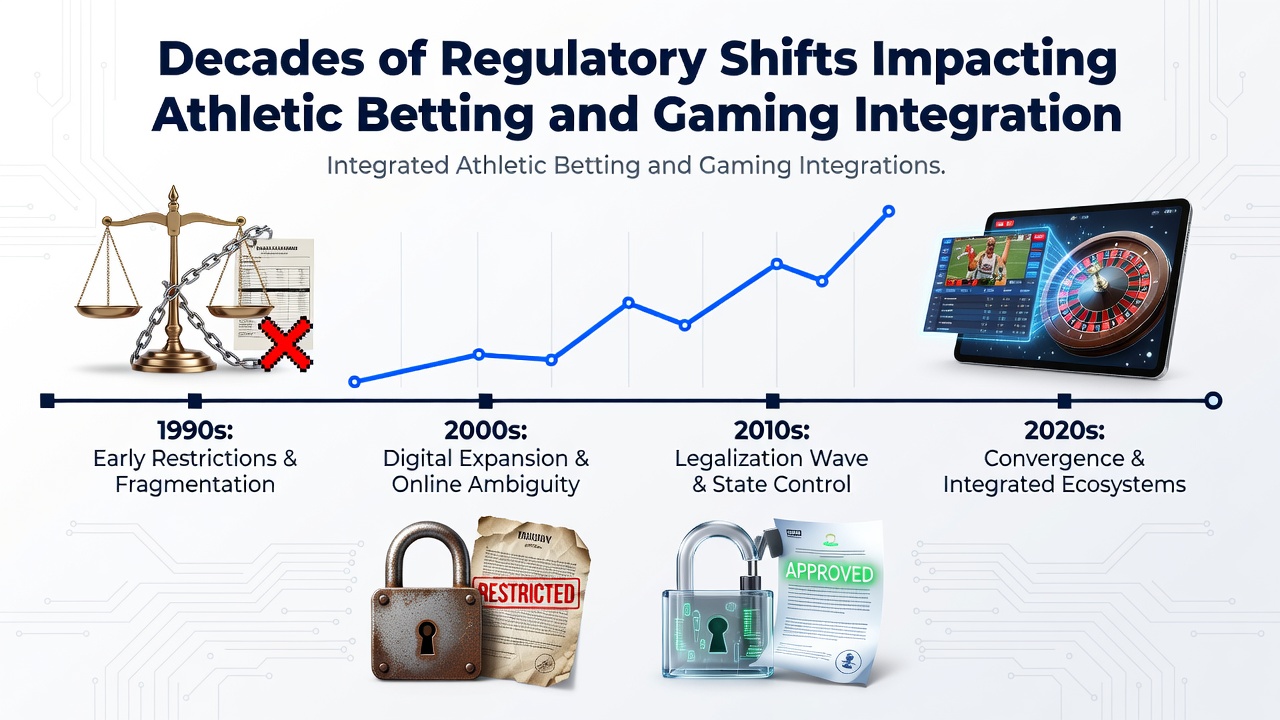
Regulatory frameworks governing athletic betting and gaming integration have evolved through multiple phases since the early twentieth century, with each decade introducing new statutes that either restricted or enabled combined operations between sports wagering and casino-style gaming. Data from industry reports shows these shifts often aligned with technological advances, economic pressures, and cross-border policy harmonization efforts that began accelerating in the 1980s.
Pre-1980 Foundations and State-Level Controls
Legislation in the United States during the 1950s and 1960s focused primarily on separating sports betting from casino gaming through wire act provisions and state-specific licensing rules, whereas European jurisdictions like those in France and Italy maintained state monopolies that kept athletic betting under lottery-style oversight while casino operations remained distinct. Research compiled by academic institutions indicates that these early separations limited integration opportunities until economic studies in the late 1970s demonstrated potential tax revenue gains from unified regulatory models.
1980s Expansion and Early Integration Experiments
Policy adjustments in Australia and parts of Canada during the 1980s allowed limited crossover between sports pools and gaming venues, creating precedents where operators could offer both under single licenses; figures from government statistical agencies reveal that these changes coincided with rising participation rates in combined betting environments. Observers note that simultaneous developments in New Jersey’s casino regulations permitted certain sports-related promotions, setting domestic benchmarks that later influenced broader North American approaches.
1990s Digital Onset and Cross-Jurisdictional Challenges
The introduction of internet-based platforms in the 1990s prompted regulatory bodies across multiple regions to address how online interfaces blurred lines between athletic betting and casino products, leading to initial licensing experiments in places like the Isle of Man and Malta that treated integrated offerings as single entities. Evidence from trade association compilations demonstrates that these early digital rules often required operators to maintain separate reporting streams for each activity type, even as user interfaces merged the experiences.
2000s Globalization and Harmonization Efforts
International agreements and EU-level directives in the 2000s encouraged member states to reconsider fragmented rules around sports betting and gaming, while parallel reforms in Canadian provinces expanded single-site licensing that combined both categories; according to data released by national gaming authorities, these adjustments produced measurable increases in licensed operator counts and cross-product revenue streams. One notable development involved Australian state governments updating their interactive gambling frameworks to accommodate integrated mobile offerings that linked live sports markets with casino-style games.
2010s Landmark Legal Changes and Market Realignment
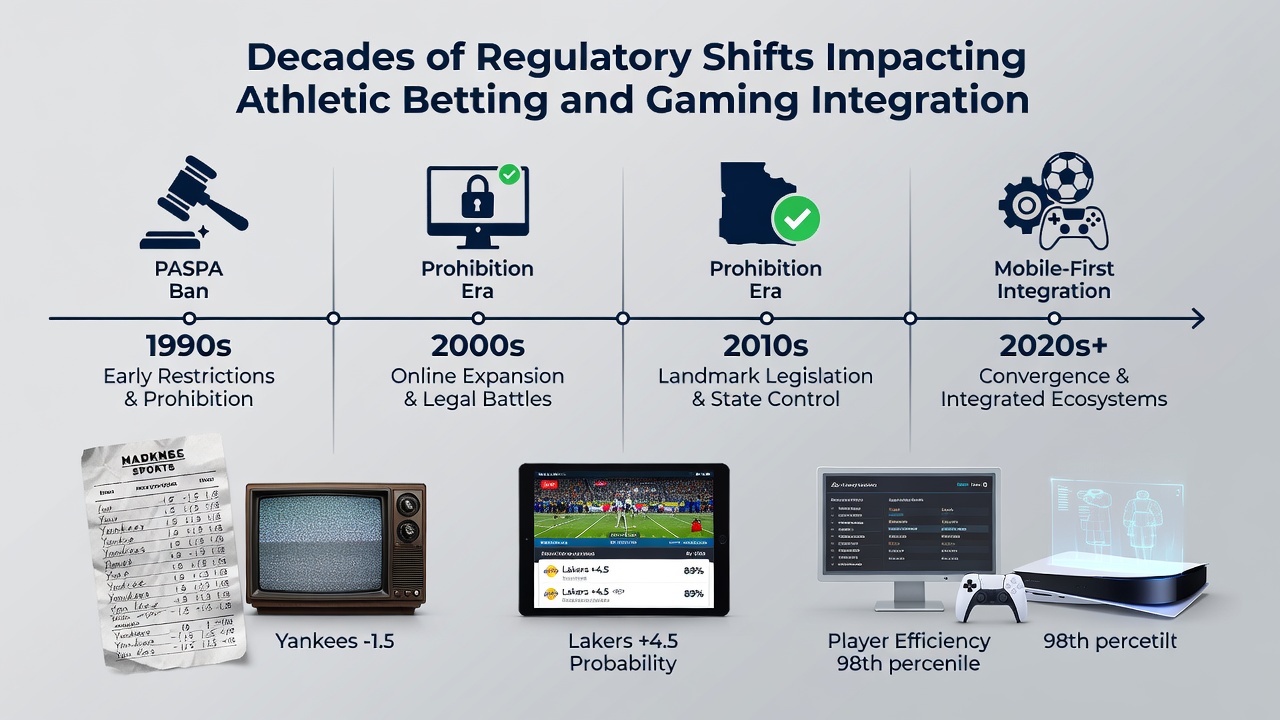
The 2018 repeal of the Professional and Amateur Sports Protection Act in the United States triggered rapid state-by-state legalization of sports betting, many of which incorporated provisions allowing integration with existing casino licenses; statistics gathered by the American Gaming Association indicate that by 2023 over twenty states had enacted frameworks permitting combined operations under unified regulatory oversight. Concurrently, Canadian federal updates through Bill C-218 extended similar permissions to provinces, while several Australian territories refined their point-of-consumption tax models to cover merged betting and gaming platforms without requiring separate approvals.
2020s Ongoing Adjustments and 2026 Developments
Recent years have seen regulators in the European Union and North America focus on responsible gambling integrations within combined platforms, with new data-sharing requirements emerging between sports leagues and gaming operators. In September 2026 several Canadian provinces are scheduled to implement updated licensing renewals that standardize technical standards for integrated systems, while Australian authorities continue reviewing cross-border compliance for operators serving multiple jurisdictions through single accounts. Research from university-led studies on regulatory impact shows these adjustments frequently reference earlier models from the 1990s and 2000s when establishing verification protocols for merged product lines.
Conclusion
Patterns across eight decades reveal that regulatory shifts have progressively moved from strict separation toward conditional integration, driven by revenue considerations and technological capability. Government agencies and industry organizations continue to refine these frameworks, with upcoming 2026 milestones in select regions expected to further standardize how athletic betting and gaming products operate under shared oversight structures.